Why the Soil Beneath Your Feet Quietly Determines the Future of Your Landscape
A beautiful yard can fall apart faster than expected. Plants struggle, irrigation systems seem inconsistent, and maintenance costs quietly climb. Often, the root cause isn’t visible, it’s underground. A skilled landscape designer in Phoenix understands that soil composition isn’t just a technical detail; it’s the foundation of long-term planting success.
MasterAZscapes approaches every landscape design with a deep understanding of soil behavior, combining plant selection, irrigation systems, and hardscape installation into a strategy that lasts.
A landscape designer integrates soil composition analysis by evaluating texture, drainage, nutrient levels, and pH to guide plant selection and irrigation planning. This ensures long-term plant health, efficient water use, and sustainable growth tailored to local climate conditions.
Why Soil isn’t Just Dirt. It’s the Blueprint for Everything that Grows.
Soil might look uniform at a glance, but it’s anything but simple. In Phoenix, AZ, soil can range from compacted clay to sandy desert mixes, often layered with caliche that restricts drainage.
This variability is why soil composition analysis is central to landscape architecture. Without it, even the most visually appealing landscape plans can fail within months.
Homeowners often ask: “Why do some plants thrive in one yard but fail in another just a few blocks away?”
The answer lies in soil structure, water retention, and nutrient availability. A professional designer evaluates these factors during site planning to ensure that every plant, from native plants to ornamental features, has the conditions it needs to succeed.
MasterAZscapes incorporates this analysis into every design consultation, ensuring outdoor spaces are built for Arizona’s climate rather than against it.
The Costly Mistakes that Happen When Soil is Ignored
Ignoring soil composition leads to predictable, and expensive, problems. Many DIY landscapes fail not because of poor aesthetics, but because of incompatible planting conditions.
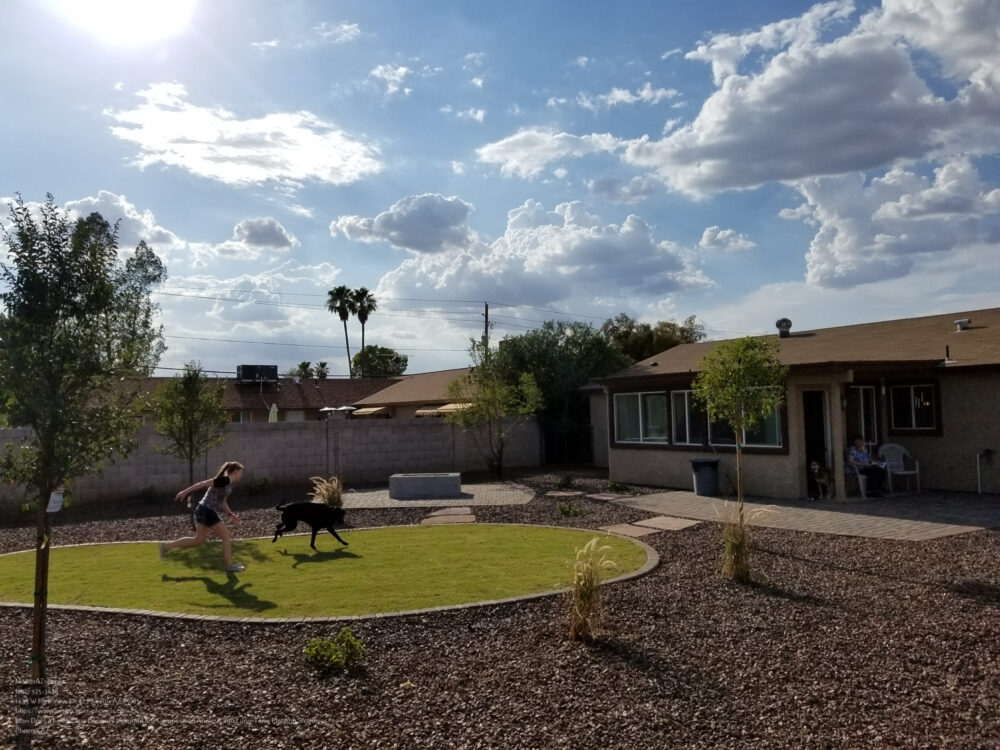
- One common mistake is planting without understanding drainage. Clay-heavy soil holds water, leading to root rot, while sandy soil drains too quickly, leaving plants dehydrated.
- Another issue is improper irrigation design. Sprinkler systems that don’t match soil absorption rates can cause runoff or oversaturation.
- There’s also the problem of mismatched plant varieties. Non-native species often struggle in desert southwest conditions without soil amendments or specialized irrigation systems.
- According to guidance from the Arizona Department of Water Resources, water-efficient irrigation systems combined with soil-aware planning can significantly reduce water waste and improve plant survival rates in arid regions.
MasterAZscapes helps clients avoid these pitfalls through detailed soil analysis and customized planting strategies that align with the natural environment.
Do You Want Professional Landscape Design Services?
Contact MasterAZscapes today and start your project.
How Smart Soil Analysis Shapes Healthier, Longer-Lasting Landscapes
When soil composition is properly evaluated, everything changes. Plant selection becomes more precise. Irrigation systems become more efficient. Maintenance becomes manageable.
A well-designed backyard oasis doesn’t rely on constant intervention. Instead, it works with natural conditions.
Soil analysis allows designers to determine which xerophytic plant selection will thrive, which areas require soil amendments, and where water-efficient irrigation systems should be installed.
It also influences hardscape services. For example, retaining walls and paver patios must be designed with soil stability in mind. Without proper planning, shifting soil can damage masonry installations or disrupt outdoor living spaces.
MasterAZscapes uses this approach to create landscapes that not only look good on day one but continue to perform years down the line.
How Soil Data Drives Every Planting Decision
A landscape designer in Phoenix doesn’t choose plants solely based on appearance. Every decision is backed by data gathered during the design process.
Soil pH levels determine which plant species can effectively absorb nutrients. Texture analysis reveals how water moves through the soil. Organic content indicates fertility and long-term sustainability.
These insights guide everything from garden design to pool landscaping. For instance, areas near in-ground swimming pools or concrete travertine patios often experience heat reflection, which affects soil moisture levels and plant health.
Designers also use 3D renderings and landscaping design software to visualize how planting strategies will evolve. This ensures that plant spacing, growth patterns, and irrigation systems remain effective as the landscape matures.
MasterAZscapes integrates these techniques into their full project management approach, ensuring that every element; from artificial turf installation to outdoor kitchens, works cohesively.
5 Practical Strategies Designers Use to Match Plants With Soil Conditions
Professional landscape designers rely on proven methods to align planting strategies with soil composition.
- Soil testing before planting – evaluates pH, nutrients, and structure
- Selecting drought-tolerant landscaping options reduces water dependency
- Amending soil where necessary – improves fertility and drainage
- Designing irrigation systems based on soil type ensures efficient watering
- Grouping plants with similar needs simplifies maintenance and improves survival
In Phoenix, Arizona, East Valley environments, these strategies are essential. The desert climate demands careful planning to balance water usage, plant health, and long-term sustainability.
What Experienced Designers See Underground that Others Miss
A trained designer sees beyond the surface. They understand how soil conditions interact with every other element in the landscape.
They evaluate how irrigation systems distribute water across different soil layers. They consider how hardscape installation affects drainage patterns. They anticipate how plant roots will grow over time.
MasterAZscapes often identifies hidden challenges during site planning. For example, compacted soil beneath a planned paver patio might require grading adjustments to prevent water pooling.
They also think ahead. Will the soil support future additions, such as shade structures or outdoor entertainment areas? Will irrigation systems need expansion as the landscape evolves?
This forward-thinking approach is what transforms a simple design into a long-term solution.
The Core Principles that Turn Soil Knowledge into Lasting Landscape Success
At its core, integrating soil composition into landscape design is about alignment. Aligning plant varieties with soil conditions. Aligning irrigation systems with absorption rates. Aligning hardscape services with structural stability.
The best designs balance aesthetics with functionality. They incorporate elements like water features, fireplaces & fire pits, and outdoor lighting without compromising plant health.
They also prioritize sustainability. Organic gardens, living walls, and edible gardens all depend on soil quality and proper planning.
For homeowners, the takeaway is clear: soil isn’t just part of the landscape, it’s the foundation of everything that grows and thrives.
Why MasterAZscapes is The Smart Choice for Soil-Driven Landscape Design
We at MasterAZscapes provide the best solutions to our customers by designing landscapes that begin with the soil and build upward. Our team combines desert expertise, landscape architecture, and advanced planning techniques to create outdoor spaces that thrive in Arizona’s climate.
We proudly showcase our excellent services through custom landscape installations, outdoor living spaces, water features, and fire pits designed with long-term performance in mind. From irrigation systems to full construction services, every detail is carefully planned.
Contact MasterAZscapes today for expert landscape design and create a sustainable, high-performing outdoor environment. Experience the difference of working with a trusted landscape designer in Phoenix.
Do You Want Professional Landscape Design Services?
Contact MasterAZscapes today and start your project.