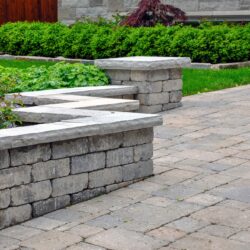
Phoenix Landscape Lighting Installation for Homes
MasterAZScapes provides professional landscape lighting installation in Phoenix, AZ, helping homeowners illuminate pathways, architectural details, gardens, and outdoor living areas with carefully planned lighting systems. Whether you want to showcase mature trees in Arcadia or brighten a backyard patio in Biltmore, our approach combines attractive lighting design with practical installation.
Phoenix homeowners often enjoy their outdoor spaces after sunset, especially when summer afternoons are too hot for comfortable entertaining. A well-designed lighting system can make these areas easier to navigate while highlighting the features that give your property its character.
From custom lighting plans to fixture placement and electrical coordination, MasterAZScapes helps homeowners create outdoor illumination that suits their landscape and lifestyle.
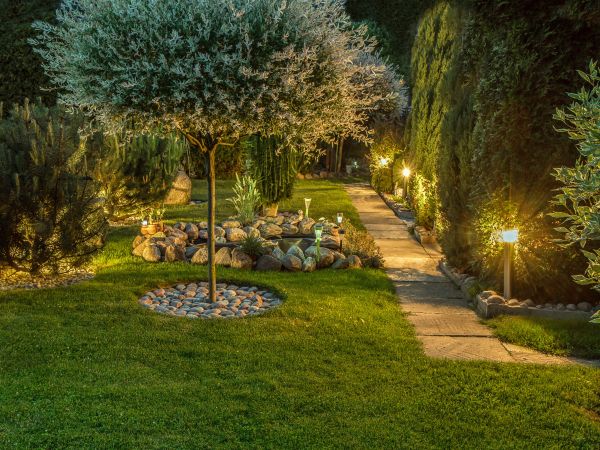
Professional Lighting Installation Starts with the Right Plan
Installing landscape lights involves more than placing fixtures around a yard. Light direction, power requirements, existing landscaping, and nighttime visibility all influence the results.
Evaluating Your Property and Lighting Goals
Every project begins by identifying which areas need illumination and why.
For a residential property in Willo, the priority may be improving visibility along an established walkway. In the Melrose District, homeowners might want subtle architectural lighting that complements a midcentury-style exterior.
A custom lighting plan considers:
- Walkways, entrances, steps, and gathering areas
- Trees, garden beds, water features, and architectural details
- Fixture locations and preferred lighting effects
- Available electrical connections and equipment placement
- Surrounding windows, neighboring properties, and unwanted glare
These details help determine the appropriate lighting system before installation begins.
Selecting Fixtures for Their Intended Locations
Different outdoor features require different lighting techniques.
Path lights provide downward illumination along walkways. Accent lighting can highlight trees and decorative stonework, while architectural lighting draws attention to selected building features.
For outdoor patios, carefully positioned fixtures can illuminate seating areas without directing excessive light toward guests.
Fixture selection should account for brightness, beam spread, color temperature, durability, and compatibility with the electrical system.
Landscape Lighting Installation for Different Outdoor Features
Pathway and Step Lighting
Walkways and steps require lighting that helps people recognize changes in elevation without producing distracting glare.
Low-profile path lights and integrated step fixtures can provide targeted illumination along outdoor circulation routes.
For compact residential properties near Roosevelt Row Arts District, precise fixture positioning can be especially important where pathways run close to walls or neighboring windows.
Architectural and Accent Lighting
Architectural lighting can emphasize columns, textured walls, entryways, and other distinctive features.
Accent lighting also helps draw attention to decorative landscaping.
Properties near Tovrea Castle at Carraro Heights may benefit from lighting that complements desert-inspired stonework and planting arrangements.
Instead of illuminating every surface equally, a layered design creates visual contrast and highlights selected elements.
Patio, Garden, and Water Feature Lighting
Outdoor living areas often require a combination of ambient and task-oriented illumination.
Patio lighting can support evening dining, while garden fixtures add depth to surrounding planting beds.
Water features may incorporate appropriately rated lighting that emphasizes movement and texture.
For homes near South Mountain Park and Preserve, restrained lighting can preserve the atmosphere of the surrounding desert environment while improving the usability of residential outdoor spaces.
What Happens During Landscape Lighting Installation?
Wiring, Transformers, and System Components
Many residential landscape lighting systems use low-voltage equipment connected through a suitable transformer.
Installation planning may include cable routing, transformer placement, compatible connectors, and controls such as timers or photocells.
The electrical design must account for fixture loads, cable lengths, and manufacturer requirements.
Where new circuits or other regulated electrical modifications are necessary, qualified professionals must complete the work according to applicable codes.
Existing irrigation lines, tree roots, and hardscapes also need consideration before trenching or installing equipment.
Fixture Placement and Nighttime Adjustments
Once fixtures are positioned and connected, the system should be tested for operation, illumination, and unwanted glare.
Adjusting beam angles helps direct light toward intended surfaces rather than adjacent windows or neighboring properties.
A nighttime review is particularly useful because lighting effects can appear different after sunset than during daytime installation.
The final layout should also allow homeowners to access fixtures and controls for future maintenance.
Lighting Systems Designed for Phoenix Conditions
Phoenix’s climate makes equipment selection and installation details especially important.
Outdoor fixtures experience prolonged heat, ultraviolet exposure, dust, and seasonal monsoon storms.
Appropriately rated housings, protected connections, and suitable cable installation methods help support reliable operation.
Plant growth must also be considered. A fixture positioned beside a small shrub may become obstructed as the landscape matures.
For established properties near Wesley Bolin Memorial Plaza, existing vegetation and older hardscapes may influence installation access.
Arizona also regulates shielding for certain outdoor light fixtures. Thoughtful light direction helps minimize unnecessary brightness and light spill.
A properly installed system should be evaluated periodically for damaged components, shifted fixtures, and changing landscape conditions.
Landscape Lighting Experience with MasterAZScapes
MasterAZScapes is a locally owned landscaping company established in 2008, bringing 18 years in business to Phoenix outdoor improvement projects.
Our broader landscape design experience helps us coordinate lighting with patios, trees, walkways, water features, and other outdoor elements.
The company’s stated credentials include BBB accreditation, Arizona contractor licensing, and certified arborist expertise. MasterAZScapes also offers free estimates, works with HOA-related project requirements, and provides material and workmanship warranties subject to applicable terms.
We focus on practical lighting plans, thoughtful installation, and clear communication throughout the project.

Customer Reviews and Landscape Lighting Experiences
Here’s what homeowners are saying about working with MasterAZScapes.


Illuminate Your Phoenix Property with MasterAZScapes
Whether you’re adding lighting to an existing landscape or planning a complete outdoor renovation, professional installation can help bring your design together.
Call MasterAZScapes at (602) 975-3648 to request a free landscape lighting installation estimate in Phoenix, AZ.
Frequently Asked Questions About Landscape Lighting Installation in Phoenix, AZ
Landscape lighting installation timelines in Phoenix, AZ, depend on the number of fixtures, the complexity of the lighting design, existing site conditions, and electrical requirements.
A smaller project involving several pathway or accent lights generally requires less installation work than a complete property-wide system with multiple lighting zones, architectural fixtures, and integrated controls.
Preparation may include reviewing the lighting plan, identifying electrical connections, locating underground utilities, and determining suitable cable routes.
For established properties in Arcadia or Willo, mature tree roots, irrigation lines, and existing hardscaping can influence the installation approach.
Projects requiring new electrical circuits, permits, or specialized electrical work may involve additional scheduling considerations.
After equipment installation, time should also be allowed for testing and adjusting fixtures.
A nighttime review can help identify glare, uneven illumination, or areas requiring repositioning.
MasterAZScapes can discuss the expected installation stages and project-specific scheduling during a free estimate.
Professional landscape lighting installation typically involves developing a lighting plan, selecting appropriate fixtures, installing electrical components, positioning lights, and testing the completed system.
The exact scope depends on the property and the type of lighting selected.
For example, a homeowner in Biltmore may want architectural lighting around an entrance and accent lighting for mature trees, while a property in the Melrose District may need pathway lights and subtle patio illumination.
A low-voltage installation may include a transformer, outdoor-rated wiring, connectors, fixtures, and automatic controls.
Some projects require additional electrical work that must be performed by appropriately qualified professionals.
Fixture positioning should account for desired lighting effects, surrounding plants, glare, and maintenance access.
After installation, the system should be checked for proper operation and suitable light direction.
Homeowners should request a written estimate that identifies equipment, installation responsibilities, control options, and applicable warranties.
MasterAZScapes can help develop a project scope based on the lighting goals of each Phoenix property.
The City of Phoenix identifies installation of low-voltage landscape accent lighting among residential improvements that generally do not require a building permit.
However, that does not mean every outdoor lighting project is exempt from electrical requirements.
Adding a new electrical circuit, modifying existing wiring, or performing other regulated electrical work may require permits, inspections, and appropriately licensed professionals.
Homeowners should confirm the requirements for their particular installation before work begins.
Arizona Revised Statutes §49-1102 also establishes shielding requirements for certain outdoor lighting fixtures, with exemptions based on the light source and other conditions.
For HOA-governed neighborhoods around Biltmore, community architectural guidelines may establish additional expectations for fixture visibility, brightness, or lighting direction.
Properties in designated historic areas such as Willo may require additional review for certain exterior alterations.
MasterAZScapes can discuss the proposed lighting plan and help identify considerations that should be addressed during installation.
Official permit decisions should be confirmed with the City of Phoenix.
The cost of landscape lighting installation in Phoenix, AZ, varies according to fixture quantity, equipment quality, installation complexity, and electrical requirements.
A basic walkway lighting project generally involves fewer materials than a comprehensive outdoor lighting system covering patios, trees, water features, and architectural details.
Fixture construction and specifications also affect the investment.
Outdoor-rated metal fixtures, LED components, transformers, controllers, and specialty lighting products can vary considerably in price.
For larger Arcadia properties, longer cable routes and multiple lighting zones may increase installation requirements.
Compact homes near Roosevelt Row Arts District might need fewer fixtures, although limited access or existing hardscapes can complicate placement.
Homeowners should request an estimate identifying fixture types, wiring, controls, installation labor, and any excluded electrical work.
Warranty coverage and future maintenance requirements should also be discussed.
MasterAZScapes offers free estimates so Phoenix homeowners can compare lighting options and understand the proposed project before making a decision.
Check Out Our Related Blogs!
- What Are the Best Ways to Create Privacy in a Desert Landscape?
- How Can a Landscape Designer Make a Small Phoenix Backyard Feel More Spacious?
- How Can a Landscape Designer Combine a Pool, Patio, and Outdoor Kitchen Into One Cohesive Space?
- What Drainage Gradient Calculations are Performed During Artificial Turf Installation to Prevent Long-Term Water Retention Issues?

- How Does Artificial Turf Installation Optimize Base Layer Compaction to Maintain Surface Stability Under Repetitive Foot Traffic?

- What Joint Design Principles are Applied in Hardscapes to Accommodate Thermal Expansion While Preserving Surface Integrity?