
Professional Inground Pool Installation for Residential Properties
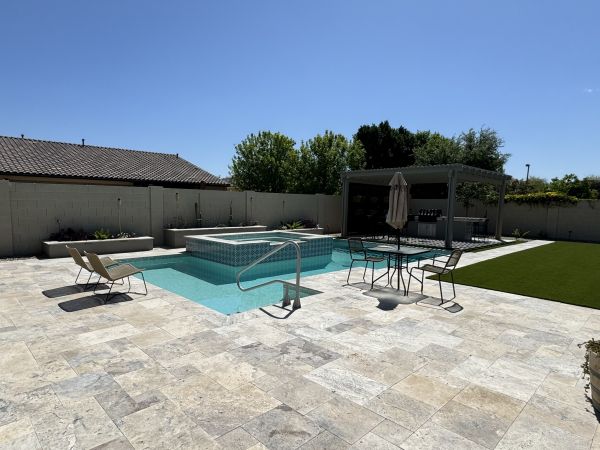
An inground swimming pool is a major investment that requires careful site preparation, structural planning, and coordinated construction. MasterAZScapes helps homeowners explore inground pool installation as part of a complete outdoor transformation, bringing together swimming pool concepts, hardscaping, and surrounding landscape improvements.
Unlike above-ground alternatives, inground pools require excavation, permanent structural systems, and properly installed plumbing and electrical equipment. Every stage must be planned around the property’s conditions and the selected pool design.
Whether you’re considering a modern swimming pool for relaxation or a family-friendly recreational space, understanding the installation process helps you make informed decisions before construction begins.
Let’s Bring Your Landscaping Ideas to Life!
Have a project in mind? From beautiful patios to custom outdoor living spaces, our team is ready to help you explore the possibilities. Tell us about your project using the form below, and let’s get started!
"*" indicates required fields
Choosing the Right Inground Swimming Pool
Concrete Pools for Custom Backyard Layouts
Concrete pools are a popular option for homeowners who want flexibility in pool dimensions, shapes, and integrated features.
These pools typically use engineered reinforced concrete construction, with methods such as shotcrete or gunite selected according to project specifications.
Concrete construction can accommodate features such as integrated benches, tanning ledges, and customized depth transitions.
However, proper engineering, reinforcement, curing, waterproofing considerations, and finishing are essential to long-term performance.
Pool Features and Finishing Options
The swimming pool’s design also determines which features must be incorporated during construction.
Potential additions include:
- Built-in entry steps and seating areas
- Decorative tile and interior finishes
- Water features and integrated spillways
- Pool lights and compatible lighting controls
- Natural stone coping and coordinated pool decks
- Circulation equipment and automated operating controls
Selecting these details early helps coordinate equipment locations, plumbing connections, and electrical requirements.
Preparing Your Property for Pool Construction
Site Preparation and Excavation
Before excavation begins, the project requires an evaluation of the property’s layout, access points, utilities, and existing landscape features.
Site preparation may include clearing the designated construction area, establishing excavation limits, and evaluating soil and drainage conditions.
Underground utilities must be identified before digging, and the contractor must consider how construction equipment will access the backyard.
The installation plan should also protect existing structures and address how excavated material will be managed.
Engineering, Permits, and Safety Requirements
An inground swimming pool requires structural plans and applicable construction approvals.
Design documents typically address the pool shell, plumbing, equipment, electrical systems, and safety barriers.
Installation must follow approved engineering specifications and applicable building codes.
Qualified pool contractors are responsible for performing regulated construction within the scope of their licensing.
Understanding the Inground Pool Installation Process
Structural Construction and Pool Plumbing
After excavation, the pool’s structural system is installed according to the approved plans.
For concrete pools, this may involve forming, steel reinforcement, and application of the specified concrete system.
Plumbing components are installed to support water circulation, filtration, and selected features.
Pressure testing and required inspections help identify potential issues before concealed work is completed.
Electrical Systems and Pool Lights
Pool lights, circulation equipment, and associated electrical systems must be planned with safety in mind.
Electrical installation may involve bonding, grounding, protective devices, and fixtures specifically approved for their intended pool applications.
These components must comply with applicable codes and be installed by appropriately qualified professionals.
Interior Finishes and Final Inspections
Once structural and mechanical work reaches the appropriate stage, the pool receives its selected finishes, coping, and surrounding details.
Equipment startup, water treatment, and required inspections must be completed before the swimming pool is placed into service.
The construction team should also explain operating procedures and maintenance requirements to the homeowner.
Coordinating Pool Installation with Outdoor Landscaping
The surrounding landscape influences how comfortably and safely the completed swimming pool can be used.
Patios and walkways should provide convenient circulation while addressing drainage and wet-surface traction.
Planting areas require appropriate irrigation, and poolside materials should be selected with maintenance and sun exposure in mind.
Coordinating these improvements during pool construction can reduce unnecessary disruption after installation.
Why Choose MasterAZScapes for Your Outdoor Pool Project?
Established in 2008, MasterAZScapes brings 18 years in business to landscaping, hardscaping, and outdoor improvements.
Our landscape-focused approach helps homeowners consider how inground swimming pools connect with patios, lighting, irrigation, and outdoor living areas.
MasterAZScapes is locally owned, BBB Accredited, and offers free estimates.
Specialized pool construction requires appropriately licensed professionals. The responsible contractor, applicable warranties, and installation responsibilities should be confirmed during project planning.
See What Our Customers Are Saying
Learn more about homeowners’ experiences working with MasterAZScapes.


Plan Your Inground Pool and Outdoor Living Space
A successful pool project starts with understanding your property and planning the work carefully.
Contact MasterAZScapes at (602) 975-3648 to request a free estimate and discuss your inground pool and landscaping plans.
Frequently Asked Questions About Inground Pool Installation
Preparing for inground pool installation in Phoenix, AZ, begins with evaluating the property before excavation equipment arrives.
Homeowners should review the proposed pool location, identify existing patios and landscaping that may be affected, and discuss access routes with the construction contractor.
For established properties in Arcadia, mature trees, underground irrigation lines, and existing hardscapes may influence the preparation work.
Smaller lots in Willo or the Melrose District can present additional challenges when equipment must pass through narrow side yards.
Underground utilities must be located before excavation, and the plans should account for property boundaries, easements, and drainage.
Homeowners should also ask how construction debris and excavated material will be removed.
If landscaping or hardscaping must be temporarily disturbed, determine which areas will be restored and which improvements are included in the project scope.
MasterAZScapes can help homeowners consider the surrounding landscape when planning a pool project, while the licensed pool contractor should establish excavation and construction requirements.
Concrete inground pools can be a practical option for homeowners in Phoenix, AZ, particularly when customized dimensions or integrated features are important.
Concrete construction provides flexibility for irregular pool shapes, benches, tanning ledges, and other design elements that may not be available with every prefabricated pool system.
However, Phoenix’s climate introduces considerations that should be addressed through appropriate engineering, material selection, and maintenance.
Intense sunlight can affect exposed pool decking and certain finishes. Water chemistry, circulation, and regular surface maintenance are also important for the long-term care of concrete pools.
For properties in Biltmore or Arcadia, homeowners may want finishes that coordinate with existing patios and outdoor living areas.
In hillside locations near South Mountain Park and Preserve, soil and site conditions may influence the required structural design.
A licensed pool builder should evaluate the property and explain the proposed construction system, finish options, maintenance requirements, and warranty coverage before installation begins.
Inground pool construction in Phoenix, AZ, requires a residential pool permit and applicable inspections through the City of Phoenix.
The specific inspection sequence depends on the approved plans and construction methods.
Inspections may address structural reinforcement, electrical work, bonding, plumbing-related systems, required safety provisions, and final construction compliance.
Certain work must be inspected before it is concealed or covered, so contractors should coordinate inspections with construction milestones.
The city’s residential pool permitting resources also address pool barriers, which are an important part of protecting against unsupervised access.
For homes near Roosevelt Row Arts District or Wesley Bolin Memorial Plaza, existing buildings and property layouts may influence the approved pool placement and barrier configuration.
Homeowners should ask the contractor who is responsible for requesting inspections and responding to any required corrections.
Before accepting the completed project, confirm that required approvals have been obtained and that the pool equipment has been tested.
MasterAZScapes can discuss surrounding landscaping, while the licensed pool contractor should manage construction inspections within its contracted scope.
Unexpected underground conditions can affect inground pool installation in Phoenix, AZ, especially when excavation reveals rock, unsuitable soil, buried debris, or other site conditions not fully identified beforehand.
These discoveries may require additional excavation methods, engineering review, or changes to the construction plan.
Properties near South Mountain Park and Preserve can have terrain considerations that differ from those of more level residential lots.
However, rock and soil conditions vary from property to property, and no neighborhood should be assumed to have a uniform excavation profile.
When unexpected conditions arise, the contractor should explain how they affect the approved plans, construction methods, schedule, and project scope.
Homeowners should request written documentation of any proposed changes before authorizing additional work.
It is also important to determine whether updated engineering or permit review is necessary.
A detailed initial site evaluation can reduce uncertainty, but it cannot guarantee that every underground condition will be known before excavation.
Qualified pool contractors should address these issues according to applicable construction requirements.
Yes. Planning pool lights during initial construction is often preferable because fixture locations, wiring routes, and electrical requirements can be coordinated before the pool structure and finishes are completed.
For inground pools in Phoenix, AZ, lighting can help illuminate the swimming area and enhance the atmosphere of nearby outdoor living spaces.
Homeowners may consider integrated underwater lighting, along with separate landscape lighting for surrounding patios and walkways.
However, underwater pool lights are subject to specialized electrical safety requirements.
Compatible fixtures, proper bonding, approved installation methods, and appropriate electrical protection must be incorporated into the construction plans.
For homeowners in Norterra or Biltmore, coordinated pool and landscape lighting can help connect multiple outdoor features into a cohesive design.
Before selecting lights, ask about fixture compatibility, control options, maintenance access, and replacement requirements.
MasterAZScapes can help discuss surrounding landscape lighting, while the licensed pool construction and electrical professionals should handle regulated underwater lighting work.