Water-Efficient Drip Irrigation Services in Phoenix
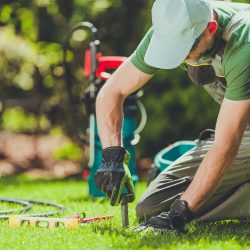
MasterAZScapes provides professional drip irrigation installation in Phoenix, AZ, helping homeowners water trees, shrubs, flower beds, and desert landscaping with greater precision. Instead of spraying water across large areas, drip irrigation delivers measured amounts near plant root zones, making it a practical choice for many Phoenix landscapes.
In a city where summer temperatures regularly exceed 100°F, irrigation is essential to maintaining healthy vegetation. However, more water does not always mean healthier plants. Excess moisture can contribute to root problems, while inadequate watering can leave plants stressed during the hottest months.
Whether you’re replacing outdated irrigation in Arcadia or planning a brand-new installation for a desert-inspired backyard, MasterAZScapes helps homeowners explore efficient irrigation solutions tailored to their properties.
Are Your Plants Getting the Water They Actually Need?
An irrigation system can appear to operate normally while delivering water unevenly.
Over time, clogged emitters, leaking tubing, poor placement, and unsuitable watering schedules can create problems that aren’t immediately visible.
Uneven Watering Around Trees and Shrubs
Mature trees often need water distributed across a broader root zone than newly planted specimens.
When emitters remain close to the trunk as a tree grows, water may not reach the areas where many absorbing roots have developed.
For established properties in Arcadia and Biltmore, mature trees and ornamental landscaping may benefit from updated emitter placement and irrigation zoning.
Excess Water Around Walkways and Flower Beds
Traditional sprinkler heads can produce unnecessary overspray when used around narrow flower beds, decorative gravel, or hardscapes.
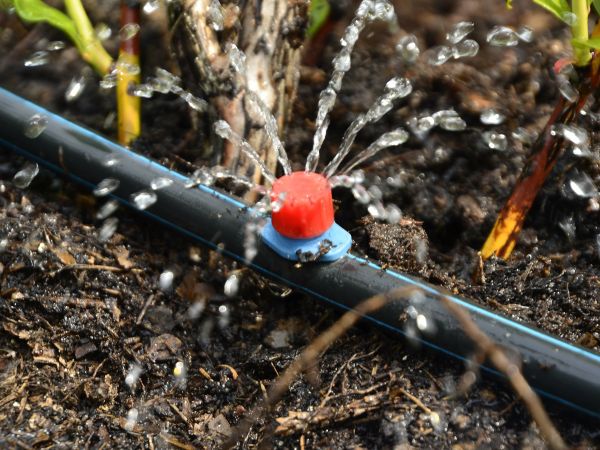
Drip irrigation provides an alternative by directing water to individual plants or designated planting areas.
In the Melrose District, where some residential properties feature compact garden beds and established patios, targeted irrigation may be especially practical.
A properly designed system can help limit unnecessary watering of surrounding paved surfaces.
Drip Irrigation Designed for Different Phoenix Landscapes
Drip Systems for Desert Trees and Native Plants
Desert-adapted landscaping requires careful consideration of plant type, root development, and soil conditions.
Palo verde, mesquite, and other suitable desert trees have different watering requirements from flowering shrubs and seasonal garden plants.
For homes near South Mountain Park and Preserve, thoughtfully zoned irrigation can support desert-inspired landscapes without treating every plant as though it needs the same watering schedule.
Emitter quantity, placement, and flow rate should be selected according to each planting area’s requirements.
Targeted Irrigation for Flower Beds and Ornamental Gardens
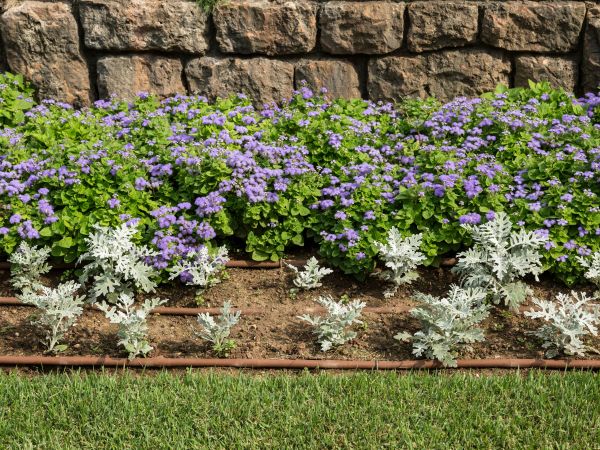
Flower beds can include plants with different moisture needs, making irrigation planning particularly important.
Drip tubing and appropriately selected emitters can supply water near individual plants while limiting unnecessary spray onto adjacent patios.
For homes near Willo, existing flower beds may require irrigation layouts that accommodate mature vegetation and established garden borders.
New installations should also allow for plant growth and future maintenance access.
Smart Irrigation Controllers for More Flexible Watering
Smart irrigation controllers can simplify watering adjustments when used with compatible equipment.
Depending on the system, homeowners may have access to multiple watering programs, weather-responsive scheduling, and automatic controls.
However, a smart controller cannot correct clogged emitters or poorly planned irrigation zones.
The physical system must be designed appropriately before automation can provide its intended benefits.
How Professional Drip Irrigation Installation Works
A detailed consultation helps determine whether the project requires an entirely new irrigation system or modifications to existing infrastructure.
Planning Watering Zones and System Components
An effective drip irrigation layout considers plant requirements, available water pressure, existing piping, and equipment compatibility.
Installation planning may include:
- Separate irrigation zones for plants with different watering needs.
- Properly selected drip emitters and distribution tubing.
- Pressure regulation and filtration where required.
- Suitable valves and compatible irrigation controllers.
- Appropriate backflow protection.
- Access points for routine maintenance and flushing.
Plant spacing and mature root development help determine emitter placement.
Installing, Testing, and Adjusting the System
During installation, tubing and emitters must be positioned to provide suitable coverage without interfering with surrounding landscaping.
The completed system should be checked for leaks, pressure problems, blocked emitters, and proper operation.
Testing is particularly important before covering tubing with mulch or other landscaping materials.
For properties near Tovrea Castle at Carraro Heights, where decorative stone and desert planting may be incorporated into the yard, careful routing helps preserve the intended landscape appearance.
Keeping Drip Irrigation Effective in Phoenix’s Climate
Drip irrigation is not a completely maintenance-free system.
Homeowners should periodically check emitters for clogging, inspect tubing for leaks, and confirm that plants receive water across the appropriate root area.
Phoenix’s seasonal temperature changes also require watering schedules to be adjusted throughout the year.
For compact residential landscapes near Roosevelt Row Arts District, even a small leak can go unnoticed beneath gravel or mulch.
Properties around the Wesley Bolin Memorial Plaza area may have older irrigation infrastructure that benefits from periodic inspection.
Routine maintenance helps preserve system performance and identify problems before plants experience prolonged stress.
Phoenix Irrigation Experience with MasterAZScapes
MasterAZScapes is a locally owned Phoenix landscaping company established in 2008, bringing 18 years in business to residential landscape improvements.
Our broader experience with landscape design, planting, tree care, and irrigation helps homeowners consider watering systems as part of the entire outdoor environment.
MasterAZScapes identifies BBB accreditation, Arizona contractor licensing, and certified arborist expertise among its professional qualifications.
The company also provides free estimates, works with HOA-related landscaping requirements, and offers material and workmanship warranties according to applicable terms.
Customer Reviews and Irrigation Installation Experiences
Here’s what Phoenix homeowners are saying about working with MasterAZScapes.


Give Your Landscape a More Efficient Way to Grow
Whether you’re installing drip irrigation for new planting beds or upgrading an outdated watering system, MasterAZScapes can help you explore practical options for your Phoenix property.
Call MasterAZScapes at (602) 975-3648 to request a free drip irrigation installation estimate in Phoenix, AZ.
Frequently Asked Questions About Drip Irrigation Installation in Phoenix, AZ
The number of drip emitters needed for a tree in Phoenix, AZ, depends on the tree’s size, species, root development, soil conditions, and the flow rate of each emitter.
There is no single emitter count that works for every tree.
A newly planted desert tree may initially need water delivered near its developing root zone, while an established tree typically needs irrigation distributed across a wider area.
The City of Phoenix recommends watering around the dripline of established trees, where many absorbing roots are concentrated.
For mature trees in Arcadia or Biltmore, placing every emitter close to the trunk may leave significant portions of the root zone inadequately watered.
Emitter flow rates also matter. A system using several low-flow emitters may require different operating times than one using fewer higher-flow components.
Soil infiltration should be evaluated to avoid excessive runoff or water pooling.
MasterAZScapes can help homeowners plan emitter placement and irrigation coverage based on the tree’s requirements rather than applying one standard layout to every landscape.
Drip irrigation can sometimes be incorporated into an existing irrigation system, but compatibility must be evaluated before installation.
Traditional sprinkler heads and drip emitters generally operate with different pressure and flow requirements.
Simply attaching drip tubing to an existing sprinkler line without appropriate equipment can result in uneven watering, excessive pressure, or unreliable operation.
A properly designed conversion may require a compatible filter, pressure regulator, conversion components, or a separate irrigation valve and zone.
For Phoenix, AZ, homes in Willo or the Melrose District, older irrigation systems may also contain components that should be inspected before reuse.
Homeowners should consider whether lawn areas and planting beds can be watered independently.
The City of Phoenix recommends grouping plants with similar water needs into separate zones.
A professional evaluation can help determine whether portions of the existing system are reusable or whether a dedicated drip zone would provide better performance.
MasterAZScapes can discuss these possibilities during a free installation estimate.
Drip irrigation schedules in Phoenix, AZ, depend on the plant species, soil conditions, irrigation equipment, and whether the vegetation is newly planted or established.
Desert-adapted trees often benefit from deeper, less frequent watering once established, while some flowering plants and newly installed landscaping need a different approach.
The City of Phoenix recommends adjusting watering frequency as seasonal temperatures change and applying enough water to reach the intended root depth.
For example, large trees generally require deeper watering than small groundcovers.
Homeowners near South Mountain Park and Preserve should consider how exposed planting areas and soil conditions influence moisture retention.
A controller should not be programmed once and left unchanged throughout the year.
During summer, plants may need more frequent irrigation than in winter, but overwatering can still damage roots.
Checking soil moisture and inspecting emitter performance are important parts of proper scheduling.
MasterAZScapes can help homeowners understand how irrigation zones, emitter flow rates, and controller settings work together to support their landscaping.
Drip irrigation installation costs in Phoenix, AZ, depend on the size of the planting areas, the number of irrigation zones, existing infrastructure, and the components required.
Installing a small drip system for a few flower beds usually involves a different scope of work than irrigating mature trees, extensive desert landscaping, and multiple garden areas.
A brand-new installation may require valves, distribution piping, filtration, pressure regulation, and a controller.
Converting an existing sprinkler zone may involve fewer components, although outdated piping or incompatible equipment can increase the work required.
For larger Arcadia properties, longer tubing runs and multiple watering zones may affect installation costs.
Compact yards near Roosevelt Row may involve less material but require careful routing around existing hardscapes.
Homeowners should request a written estimate identifying materials, installation responsibilities, system testing, and applicable warranty terms.
MasterAZScapes offers free estimates to help Phoenix homeowners compare installation options and understand the proposed project before construction begins.