
Expert Sprinkler Installation for Healthy, Beautiful Landscapes
A properly installed sprinkler system helps maintain healthy lawns and landscapes by delivering water where and when it is needed. MasterAZScapes provides professional sprinkler installation services for homeowners and commercial property owners looking to improve irrigation efficiency and simplify landscape maintenance. Whether you’re installing irrigation for a new lawn or upgrading an outdated watering system, our experienced team helps develop solutions suited to your property’s conditions.
An effective sprinkler system requires more than connecting pipes and positioning sprinkler heads. Water pressure, available flow, landscape layout, and appropriate equipment selection all influence performance. Professional installation helps create consistent coverage while reducing unnecessary water waste.
Let’s Bring Your Landscaping Ideas to Life!
Have a project in mind? From beautiful patios to custom outdoor living spaces, our team is ready to help you explore the possibilities. Tell us about your project using the form below, and let’s get started!
"*" indicates required fields
Professional Sprinkler System Design and Installation Expertise
A successful sprinkler system installation begins with evaluating the property’s water supply, soil conditions, and landscape watering requirements.
MasterAZScapes considers the relationship between irrigation equipment, plant needs, and available water pressure when developing an installation plan.
Evaluating Water Pressure and the Available Water Source
The water source determines how much water can be supplied to the irrigation system.
Available pressure and flow rate must be evaluated before selecting sprinkler heads or establishing irrigation zones.
Insufficient pressure can produce uneven coverage, while excessive pressure may contribute to misting and unnecessary water loss.
Proper system design accounts for these conditions and uses compatible equipment to distribute water effectively.
Selecting Sprinkler Heads and Irrigation Zones
Different landscape areas may require different irrigation methods.
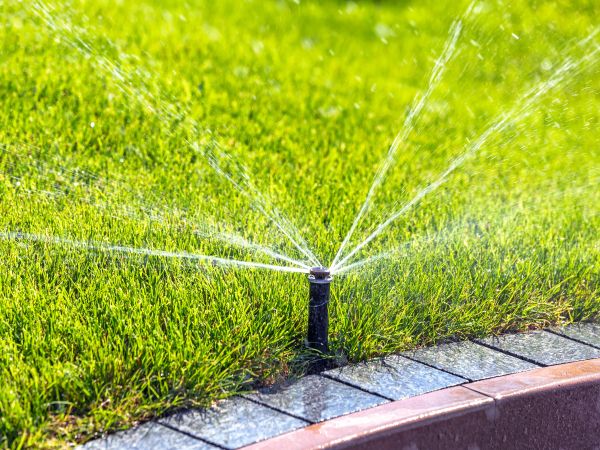
Spray heads are often appropriate for smaller lawn areas, while rotary sprinklers can serve larger spaces when properly selected.
Each sprinkler head should be positioned to provide suitable coverage without excessively watering sidewalks, driveways, or building surfaces.
Dividing the system into irrigation zones helps accommodate different watering needs and available flow rates.
Professional Sprinkler Installation Services
New Sprinkler System Installation
New sprinkler systems provide coordinated watering for established lawns, newly constructed landscapes, and renovated outdoor areas.
Installation planning considers irrigation coverage, pipe routing, sprinkler placement, and controller accessibility.
A properly designed system helps support consistent watering across the intended landscape.
Underground Irrigation Piping and Control Valves
Underground piping distributes water from the supply connection to individual sprinkler zones.
Control valves regulate water delivery to different sections of the landscape.
Proper installation involves compatible materials, secure connections, appropriate pipe placement, and accessible valve locations.
Backflow Preventer Installation and Water Supply Protection
A backflow preventer helps protect the potable water supply from contamination caused by reverse water flow.
The required device depends on the irrigation connection and applicable plumbing or water provider requirements.
Backflow prevention equipment must be installed, tested, and maintained according to relevant regulations.
Automatic Sprinkler Controllers and Watering Schedules
Automatic controllers allow property owners to establish watering schedules for different irrigation zones.
Depending on the selected equipment, programmable controllers may offer seasonal adjustments, rain sensors, or weather-based watering features.
Appropriate scheduling helps support plant health while reducing unnecessary irrigation.
Our Professional Sprinkler System Installation Process
A coordinated installation process generally includes:
- Site Evaluation: Reviewing landscape conditions and irrigation requirements.
- Water Supply Assessment: Checking available pressure and flow.
- System Layout: Planning sprinkler head placement and watering zones.
- Pipe Installation: Routing and connecting suitable underground irrigation components.
- Valve and Controller Setup: Installing compatible system controls.
- Backflow Protection: Addressing applicable water supply protection requirements.
- System Testing: Checking coverage, pressure, leaks, and controller operation.
The goal is not simply to install the perfect sprinkler head, but to develop a complete irrigation system suited to the property.
Why Choose MasterAZScapes for Sprinkler Installation?
Established in 2008, MasterAZScapes is a locally owned landscaping company with 40 years of stated industry experience.
Our team considers irrigation within the broader landscape design process, helping property owners coordinate sprinkler placement with lawns, planting beds, trees, and hardscaping.
Our qualifications and customer-focused practices include:
- Arizona Registrar of Contractors licensing
- BBB accreditation
- Certified arborist expertise
- Free project estimates
- Experience working with homeowner associations
- Material and workmanship warranties, subject to applicable terms
We emphasize thoughtful planning, clear communication, and irrigation solutions that reflect each property’s watering requirements.
Customer Reviews and Sprinkler Installation Experiences
Here’s what customers are saying about working with MasterAZScapes.


Schedule Your Sprinkler Installation with MasterAZScapes
A professionally installed sprinkler system can simplify landscape care while providing controlled irrigation for lawns and other outdoor areas.
Contact MasterAZScapes today to request a free sprinkler installation estimate. Explore irrigation solutions designed around your property’s water supply, landscape layout, and long-term maintenance needs.
Frequently Asked Questions About Sprinkler Installation
The cost of professional sprinkler system installation depends on the property’s size, landscape layout, available water supply, and number of irrigation zones required.
A small residential lawn may need fewer sprinkler heads, control valves, and piping than a large property with several lawn areas and separate irrigation requirements.
Existing site conditions also affect installation expenses. Properties with established hardscaping, difficult excavation conditions, or limited access to water connections may require additional labor.
Water pressure and available flow can influence equipment selection and system configuration.
Other potential expenses include backflow prevention equipment, automatic controllers, electrical connections, and required inspections or testing.
Homeowners in Arizona should also consider whether the proposed system supports efficient watering during periods of high temperatures and limited rainfall.
An estimate should explain the installation scope, equipment selections, and any separately required plumbing or electrical work.
MasterAZScapes offers free estimates to help customers evaluate sprinkler system options and understand anticipated installation requirements.
The time required for sprinkler system installation depends on the property’s dimensions, number of watering zones, ground conditions, and existing landscape features.
A relatively straightforward residential sprinkler system may require less installation time than a large property involving extensive underground piping, multiple controllers, and complex irrigation zones.
The process generally begins with evaluating the available water supply and determining appropriate sprinkler locations.
Installers then establish pipe routes, prepare trenches where necessary, connect irrigation components, and position sprinkler heads.
Control valves, automatic controllers, and required backflow prevention equipment must also be addressed.
After installation, the system should be tested for leaks, coverage, pressure, and proper controller operation.
Existing utilities, hardscaping, permitting requirements, and unexpected underground conditions can influence the schedule.
In Arizona, extreme summer heat and seasonal monsoon weather may also affect outdoor construction conditions.
MasterAZScapes can discuss anticipated installation stages and scheduling considerations during the initial estimate process.
The number of sprinkler heads required depends on the lawn’s dimensions, shape, water pressure, flow rate, and the selected irrigation equipment.
There is no universal number of sprinkler heads that works for every property.
Different sprinkler models have different operating pressures, spray patterns, precipitation rates, and recommended spacing.
For many conventional sprinkler systems, proper head-to-head coverage helps reduce dry spots and establish more uniform watering.
However, adding too many heads to one zone can exceed the available water supply and reduce system performance.
Professional irrigation planning considers how many heads can operate effectively within each zone.
Irregularly shaped lawns, narrow planting strips, and areas near sidewalks may require specialized nozzle selections or additional zones.
For Arizona landscapes, separating lawn irrigation from shrub and tree watering can also help accommodate different moisture requirements.
MasterAZScapes evaluates these factors when planning sprinkler placement and irrigation coverage for individual properties.
Many sprinkler systems connected to potable water supplies require approved backflow prevention equipment, although the exact requirements depend on local regulations and the water provider.
A backflow preventer helps protect the drinking water supply by preventing contaminated irrigation water from flowing backward into the potable water system.
Irrigation water can come into contact with soil, fertilizers, and other substances that should not enter drinking water piping.
Different backflow prevention assemblies are designed for different conditions and levels of contamination risk.
The appropriate equipment must be selected according to applicable plumbing standards and water provider requirements.
Some installations also require initial testing, periodic inspections, or testing by a certified backflow assembly tester.
Homeowners in Arizona should confirm the requirements established by their municipality and water utility before installation.
Backflow prevention should be considered during the initial sprinkler system design rather than added as an afterthought.
MasterAZScapes can help property owners account for water supply protection requirements when planning their irrigation systems.
Improving sprinkler system efficiency begins with matching irrigation equipment and watering schedules to the property’s actual needs.
Correct sprinkler head placement is important because poorly positioned equipment may spray sidewalks, driveways, or buildings instead of the intended landscape.
Water pressure also matters. Excessive pressure can cause misting, while insufficient pressure may produce uneven coverage.
Pressure-regulating components and appropriately selected nozzles can help address these problems when compatible with the system.
Dividing the landscape into separate watering zones allows homeowners to adjust irrigation for different soil conditions, sunlight exposure, and plant requirements.
Weather-based controllers and compatible sensors may also reduce unnecessary watering.
For Arizona properties, seasonal adjustments are especially important because plant water needs change during hot summers and cooler periods.
Routine inspections should check for leaking valves, damaged sprinkler heads, clogged nozzles, and inconsistent coverage.
MasterAZScapes can help homeowners evaluate sprinkler system configurations that balance effective landscape watering with responsible water use.