
Custom Paver Patio Installation for Beautiful Outdoor Living Spaces
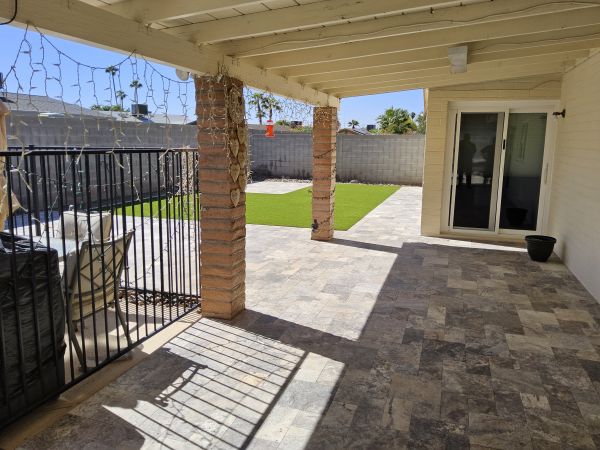
A professionally installed paver patio can transform your backyard into a comfortable, attractive space for relaxing, entertaining, and enjoying time outdoors. MasterAZScapes provides paver patio installation services for homeowners and property owners looking to improve their outdoor living space with durable, customizable hardscaping. Whether you prefer classic brick pavers, contemporary concrete pavers, or the natural character of stone, our experienced team helps create patios that complement your property.
A successful patio involves more than selecting attractive materials. Proper ground preparation, drainage planning, and professional paver installation techniques help establish a stable surface designed for everyday use.
Let’s Bring Your Landscaping Ideas to Life!
Have a project in mind? From beautiful patios to custom outdoor living spaces, our team is ready to help you explore the possibilities. Tell us about your project using the form below, and let’s get started!
"*" indicates required fields
Professional Paver Patio Design and Installation Expertise
Every paver patio project begins with evaluating the property’s layout, ground conditions, drainage, and intended use.
MasterAZScapes considers how the patio will connect with surrounding landscaping, entryways, pathways, and existing outdoor features.
Proper Site Preparation and Patio Base Construction
A stable foundation is essential for a long-lasting paver patio.
The installation process generally involves excavation, preparing the subgrade, and placing suitable aggregate base materials.
Compaction requirements depend on soil conditions, the selected paving system, and anticipated loads.
A compatible bedding layer provides a uniform surface for placing individual pavers, while appropriate grading helps direct water away from buildings and gathering areas.
Jointing Sand and Patio Edge Restraints
Jointing sand helps stabilize compatible interlocking pavers and contributes to the finished surface’s performance.
Depending on the paving system, conventional joint sand or an approved polymeric product may be appropriate.
Edge restraints help maintain the patio’s perimeter and reduce unwanted movement.
Proper installation of these components supports a consistent appearance and minimizes avoidable maintenance concerns.
Custom Paver Patio Design and Material Options
Concrete Paver Patio Installation
Concrete pavers offer a wide selection of colors, textures, dimensions, and decorative patterns.
They can complement contemporary architecture or create a traditional outdoor gathering area.
Professional installation considers paver thickness, pattern alignment, base preparation, and compatible joint materials.
Brick Paver Patio Designs
Brick pavers create a classic appearance that works well with traditional homes and garden-inspired landscapes.
Different arrangements, including herringbone and running bond patterns, can introduce visual interest.
Materials should be selected for their intended exterior paving application and expected environmental exposure.
Natural Stone Patio Installation
Natural stone provides distinctive textures, color variations, and an organic appearance.
Flagstone and other suitable stone materials can complement decorative landscaping and outdoor seating areas.
Stone selection should account for surface characteristics, thickness, installation requirements, and maintenance expectations.
Custom Paver Patterns and Decorative Borders
A custom paver design can incorporate contrasting colors, decorative borders, and coordinated layouts.
These details help define dining areas, seating arrangements, and transitions between different landscape features.
Our team considers the entire project to establish visual consistency and practical functionality.
Our Professional Paver Patio Installation Process
A coordinated installation process generally includes:
- Design Consultation: Reviewing the preferred layout, materials, and intended use.
- Site Preparation: Excavating and preparing the installation area.
- Base Installation: Placing and compacting suitable supporting materials.
- Paver Placement: Installing the selected pattern with consistent spacing.
- Edge Restraints: Securing the patio perimeter using compatible materials.
- Joint Finishing: Applying jointing sand and completing appropriate compaction.
- Final Review: Checking surface alignment, drainage, and finishing details.
Each stage contributes to the patio’s durability and finished appearance.
Creating a Complete Outdoor Living Space with Pavers
A paver patio can serve as the foundation for a larger outdoor living area.
Homeowners may incorporate seating walls, decorative landscaping, landscape lighting, or an outdoor kitchen into their plans.
These features should be considered before patio installation because permanent structures and utility connections may require separate foundations or specialized construction.
Coordinated planning helps create comfortable, functional outdoor gathering spaces.
Why Choose MasterAZScapes for Paver Patio Installation?
Established in 2008, MasterAZScapes is a locally owned landscaping company with 40 years of industry experience.
Our team combines landscape design knowledge with practical hardscape installation considerations, helping homeowners select appropriate materials and coordinate their outdoor improvements.
Our qualifications and customer-focused practices include:
- Arizona Registrar of Contractors licensing
- BBB accreditation
- Certified arborist expertise
- Free project estimates
- Experience working with homeowner associations
- Material and workmanship warranties, subject to applicable terms
We emphasize clear communication, thoughtful construction planning, and attention to installation details.
Customer Reviews and Paver Patio Installation Experiences
Here’s what customers are saying about working with MasterAZScapes.


Transform Your Backyard with MasterAZScapes
A custom paver patio can create an inviting place for outdoor dining, relaxation, and entertaining.
Contact MasterAZScapes today to request a free paver patio installation estimate. Explore personalized designs, materials, and patio layouts that complement your home and outdoor living goals.
Frequently Asked Questions About Paver Patio Installation
The cost of professional paver patio installation depends on the patio’s dimensions, selected materials, existing ground conditions, and design complexity.
A smaller patio with a straightforward layout generally requires fewer materials and less labor than a large outdoor entertainment area featuring decorative borders, intricate patterns, or multiple elevations.
Concrete pavers, brick pavers, and natural stone also have different material costs and installation requirements.
Site preparation can significantly influence the final price. Properties requiring excavation, removal of existing hardscaping, drainage improvements, or substantial grading may involve additional work.
Homeowners should also consider whether the patio will accommodate an outdoor kitchen, fireplace, or other permanent features requiring specialized foundations.
In Arizona, surface materials should be evaluated for prolonged sun exposure and seasonal temperature extremes.
A detailed estimate should identify excavation, base preparation, materials, installation, and finishing work.
MasterAZScapes offers free estimates to help homeowners evaluate patio design options and understand their anticipated project investment.
Concrete pavers, brick pavers, and natural stone can all provide attractive patio surfaces, but each material offers different advantages.
Concrete pavers are available in numerous colors, shapes, textures, and patterns. They offer design flexibility and can be selected to complement contemporary or traditional architecture.
Brick pavers provide a classic appearance with warm tones and distinctive character. Products intended for exterior paving should be selected for appropriate durability and performance.
Natural stone offers unique variations in texture and color. However, different stone varieties have different requirements for thickness, preparation, installation, and maintenance.
Homeowners should also consider surface temperature, traction, cleaning, and compatibility with surrounding landscaping.
In Arizona’s hot climate, darker paving surfaces can become uncomfortable under direct sunlight. Material color and surface characteristics may therefore influence the design.
The right choice depends on the desired appearance, available budget, anticipated use, and maintenance expectations.
MasterAZScapes can help homeowners compare patio materials based on their property conditions and design preferences.
The timeline for paver patio installation depends on the project’s size, existing site conditions, selected materials, and complexity of the design.
A straightforward patio on relatively level ground may require less construction time than a large installation involving excavation, grading corrections, decorative borders, or extensive preparation.
The process generally begins with confirming the patio layout and preparing the installation area.
Existing materials may need to be removed before excavation and base construction can begin.
Installers then place and compact appropriate aggregate materials, prepare the bedding layer, and arrange the pavers according to the selected pattern.
Edge restraints, jointing sand, compaction, and finishing details follow.
Natural stone and intricate decorative patterns may require additional cutting or alignment work.
Weather conditions, material availability, and site accessibility can also affect scheduling.
Homeowners should ask when the completed patio can safely accommodate furniture and normal pedestrian use.
MasterAZScapes can discuss anticipated construction stages and scheduling considerations during the estimate process.
Paver patios require periodic maintenance to preserve their appearance and support long-term performance.
Routine care generally includes sweeping debris, removing stains, cleaning the surface when necessary, and inspecting individual pavers for damage or uneven settling.
Jointing sand may need replenishment over time, particularly when rainfall, cleaning, or regular use removes material from the joints.
The appropriate replacement product depends on the paving system and existing joint materials.
Sealing is optional for many paver products. Some homeowners choose compatible sealers to modify appearance or improve resistance to certain stains, but recommendations vary by material and manufacturer.
Improper sealing can affect surface appearance or traction, so product compatibility is important.
For patios exposed to intense sunlight, dust, and seasonal storms, regular inspections can help identify minor maintenance concerns.
Individual damaged pavers can often be replaced without removing the entire surface.
MasterAZScapes can help homeowners understand appropriate maintenance considerations when selecting materials for a new patio.
Pavers can sometimes be installed over an existing concrete patio, but the suitability of this approach depends on the concrete’s condition, drainage, available elevation, and selected paving system.
The existing slab should be sufficiently stable and free from major deterioration that could affect the finished installation.
Contractors must also consider how the additional paver thickness will affect door thresholds, steps, drainage outlets, and nearby landscape features.
An overlay should not direct water toward the house or interfere with existing drainage.
Certain paving products are specifically designed for installation over concrete, while other systems require excavation and a new aggregate foundation.
If the existing slab has substantial cracking, movement, or drainage problems, removing the concrete and rebuilding the patio may be more appropriate.
Homeowners should also review applicable HOA requirements before making substantial changes to visible outdoor features.
A professional site evaluation helps determine whether an overlay is practical.
MasterAZScapes can discuss suitable patio installation options based on the existing surface and intended design.