
Professional Drip Irrigation Installation for Healthier Landscapes
Keeping plants healthy requires more than occasional watering with a garden hose. MasterAZScapes provides professional drip irrigation installation for homeowners, property managers, and businesses seeking efficient, dependable watering solutions. A properly designed drip irrigation system delivers water directly to plant root zones, helping reduce unnecessary runoff, limit evaporation, and support consistent soil moisture.
Unlike conventional sprinkler systems that distribute water over broad areas, drip irrigation allows for more targeted watering. This makes it particularly useful for garden beds, shrubs, trees, and ornamental landscapes with different watering requirements.
Our experienced team designs irrigation systems around the property’s layout, existing water supply, plant types, and long-term maintenance needs.
Let’s Bring Your Landscaping Ideas to Life!
Have a project in mind? From beautiful patios to custom outdoor living spaces, our team is ready to help you explore the possibilities. Tell us about your project using the form below, and let’s get started!
"*" indicates required fields
Expert Drip Irrigation System Design and Installation
A successful drip irrigation system begins with evaluating how water moves through the property and how much moisture each planting area requires.
MasterAZScapes considers water pressure, soil conditions, plant spacing, and available irrigation infrastructure before recommending a system configuration.
Proper Water Pressure and Flow Management
Drip irrigation components require appropriate operating pressure to distribute water consistently.
A pressure regulator helps maintain suitable pressure for emitters and drip tubing, while filtration protects small openings from debris that could cause blockages.
Our installation planning considers:
- Water Supply: Evaluating available connections and irrigation zones.
- Pressure Regulation: Selecting appropriate components for the system’s operating requirements.
- Filtration: Helping prevent sediment from clogging emitters.
- Water Distribution: Positioning tubing and emitters to deliver moisture where plants need it.
- Irrigation Controls: Considering timers and automatic scheduling for consistent watering.
Proper component selection helps support reliable performance and reduces preventable maintenance problems.
Customized Drip Irrigation Installation Services
Drip Irrigation for Garden Beds and Landscaped Areas
Garden beds often contain plants with different root systems and watering needs.
Professionally installed drip irrigation provides targeted moisture through appropriately positioned emitters and tubing.
Rather than relying on repeated manual watering, property owners can maintain a more consistent irrigation schedule while reducing water applied outside planted areas.
Drip Irrigation for Trees, Shrubs, and Decorative Plants
Trees and established shrubs may require deeper watering than smaller ornamental plants.
MasterAZScapes considers plant maturity, root distribution, soil conditions, and watering frequency when planning irrigation layouts.
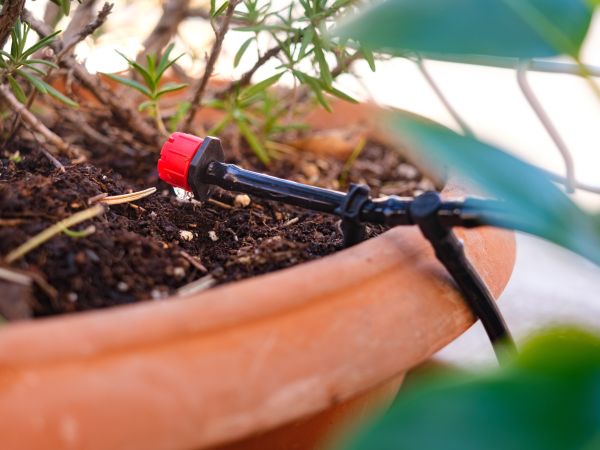
Depending on the application, special drip heads, adjustable emitters, or multiple watering points may be used to distribute water across the appropriate root zone.
The goal is to support healthy plant development without excessive surface watering.
Automatic Drip Irrigation Systems
Automated drip irrigation helps property owners maintain consistent watering schedules without manually operating a garden hose.
Timers and compatible irrigation controllers can provide greater control over watering frequency and duration.
Automation is particularly useful for larger properties, frequently traveled homeowners, and landscapes containing multiple irrigation zones.
Schedules should still be adjusted for weather, plant development, and seasonal watering requirements.
Why Professional Drip Irrigation Installation Matters
An incorrectly installed irrigation system can create uneven watering, clogged emitters, unnecessary water consumption, and plant stress.
Too little moisture can damage vegetation, while excessive irrigation may contribute to root problems and unfavorable soil conditions.
Professional installation helps address these concerns through appropriate system sizing, component selection, and emitter placement.
MasterAZScapes focuses on matching the irrigation system to the landscape rather than applying the same watering arrangement to every property.
When properly designed and maintained, drip irrigation can help property owners keep their plants lush and healthy while using water more efficiently.
Why Choose MasterAZScapes for Drip Irrigation Installation?
Established in 2008, MasterAZScapes is a locally owned landscaping company with 40 years of stated industry experience.
Our team brings broader landscape knowledge to irrigation planning, recognizing that watering systems must support the property’s planting design and maintenance requirements.
Our qualifications and customer-focused practices include:
- Arizona Registrar of Contractors licensing
- BBB accreditation
- Certified arborist expertise
- Free project estimates
- Experience working with homeowner associations
- Material and workmanship warranties, subject to applicable terms
We emphasize clear communication, appropriate installation methods, and practical irrigation solutions designed around each property’s needs.
Customer Reviews and Experiences
Here’s what customers are saying about working with MasterAZScapes.


Schedule Your Drip Irrigation Installation with MasterAZScapes
An efficient irrigation system can make landscape watering easier while helping protect your investment in healthy trees, shrubs, and plants.
Contact MasterAZScapes today to request a free drip irrigation installation estimate. Our team can help you explore a watering solution tailored to your property’s layout, vegetation, and irrigation needs.
Frequently Asked Questions About Drip Irrigation Installation
The cost of professional drip irrigation installation depends on the size of the property, the number of planting areas, existing irrigation infrastructure, and the components required.
A small garden bed with an accessible water supply may need a relatively simple arrangement of tubing and emitters. Larger landscapes containing multiple irrigation zones, established trees, or extensive planting beds may require additional components and labor.
The type of system also affects the overall investment. Automatic controllers, pressure regulators, filters, valves, and specialty emitters can influence installation costs.
Properties with existing irrigation connections may require less modification than landscapes needing new supply lines or significant system upgrades.
Homeowners should request an estimate that explains the proposed installation scope, materials, and any necessary changes to existing irrigation equipment.
Although professional installation involves an upfront investment, appropriate design can help reduce unnecessary water use and avoid certain problems associated with poorly configured systems.
MasterAZScapes offers free estimates to help customers evaluate their irrigation needs and understand available installation options.
Drip irrigation and traditional sprinkler systems serve different purposes, and the better option depends on the landscape.
Drip irrigation delivers water near plant root zones through tubing and emitters. This targeted approach can reduce overspray, minimize unnecessary surface wetting, and improve watering efficiency for shrubs, garden beds, trees, and decorative plants.
Sprinkler systems distribute water across larger areas and are often more appropriate for established lawns that require relatively uniform surface coverage.
For properties containing both turf and ornamental landscaping, combining different irrigation methods may provide the most practical solution.
Drip irrigation also requires maintenance. Emitters can become clogged, tubing may be damaged, and watering schedules must be adjusted as plants grow.
A properly designed sprinkler system can likewise perform efficiently when equipped with suitable nozzles, pressure regulation, and scheduling controls.
The most important consideration is matching the irrigation method to the plants, soil conditions, and property layout.
MasterAZScapes can help property owners evaluate whether drip irrigation, conventional sprinklers, or a combination of systems will support their landscape needs.
The installation timeline for a drip irrigation system depends on the property’s size, the number of irrigation zones, accessibility, and existing water connections.
A relatively small garden irrigation project may require less installation time than a large property containing numerous trees, shrubs, and landscaped areas.
The process generally begins with evaluating the water supply, available pressure, plant locations, and desired watering zones.
Installation may involve placing supply tubing, connecting pressure regulation and filtration components, positioning emitters, and integrating appropriate irrigation controls.
Once the system is assembled, it should be tested for leaks, pressure problems, and consistent water delivery.
Additional preparation may be necessary when existing irrigation lines are damaged, poorly configured, or unsuitable for the new system.
Accessibility can also affect project duration. Established landscaping, underground obstacles, and hardscaping may require additional planning.
Homeowners should request an estimated installation schedule based on their property’s actual conditions rather than assuming every drip irrigation project requires the same amount of time.
MasterAZScapes can review the proposed work during the estimate process and discuss anticipated installation requirements.
The appropriate watering frequency depends on plant species, soil conditions, weather, root development, and the amount of water delivered by the irrigation system.
Newly installed plants generally require more frequent monitoring because their root systems have not yet become established.
Mature trees and shrubs may benefit from less frequent but deeper irrigation, depending on their species and growing conditions.
Sandy soils typically drain more quickly than clay-heavy soils, affecting how long moisture remains available to plant roots.
The system’s emitter flow rates also influence watering duration. A low-flow emitter may require a different operating schedule than an emitter delivering a greater volume of water.
Rather than selecting a universal watering schedule, property owners should evaluate soil moisture and adjust irrigation based on actual plant needs.
Automatic controllers can simplify scheduling, but they do not eliminate the need for seasonal adjustments and periodic inspections.
Overwatering can be just as damaging as insufficient watering, particularly when moisture remains concentrated around sensitive root systems.
Professional drip irrigation design helps establish a system that can be adjusted to support healthier plants and more efficient water use.
Drip irrigation systems generally require less manual watering than hose-based methods, but regular maintenance remains important.
Small emitters and drip heads can become clogged by sediment, mineral deposits, or debris. Filters should be inspected and cleaned according to the manufacturer’s recommendations.
Tubing and connections should also be checked periodically for leaks, damage, or displacement caused by landscaping activities.
A damaged line may release more water than intended, while a blocked emitter can leave nearby plants without adequate moisture.
Property owners should also review irrigation schedules as seasons change and plants mature.
As root systems expand, additional emitters or adjustments to existing watering points may be necessary.
Mulch, soil movement, and landscape modifications can sometimes conceal damaged tubing, making occasional visual inspections valuable.
Pressure regulators, valves, and automatic controllers should be evaluated when system performance becomes inconsistent.
Professional maintenance or system evaluation may be helpful when plants show unexplained watering stress, irrigation zones stop functioning, or water consumption increases unexpectedly.
A well-maintained drip irrigation system can provide dependable watering while reducing avoidable waste and supporting long-term landscape health.