
From an Empty Yard to Summer-Ready Retreat
MasterAZScapes helps homeowners plan inground pool installation in Phoenix, AZ, with an emphasis on creating a swimming pool that works naturally with the surrounding landscape. From the first design consultation to the finishing touches around the water, a successful pool project requires thoughtful decisions about construction access, drainage, safety, and everyday outdoor living.
In Phoenix, swimming pools are especially appealing during the long, hot summers. But building one involves more than choosing a shape and scheduling excavation. The property must be prepared for permanent construction, and the surrounding yard should be planned to remain practical after installation.
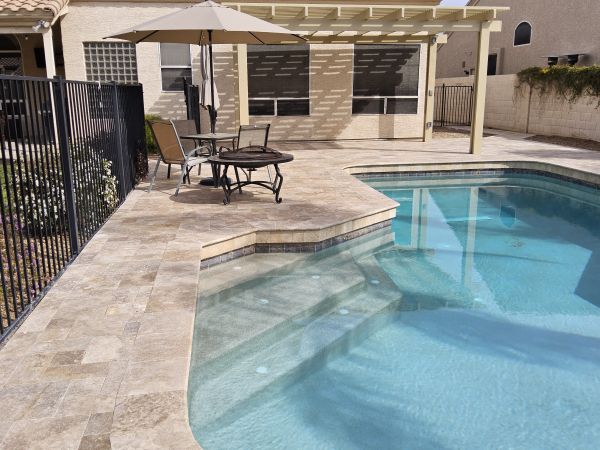
What Makes an Inground Pool Project Successful?
The perfect pool is one that fits the property as well as the homeowner’s lifestyle.
In established neighborhoods such as Arcadia and Biltmore, mature trees, patios, and existing landscaping may influence the available construction area. Near Willo and the Melrose District, narrow side yards can make equipment access an important early consideration.
Before construction, homeowners should evaluate:
- Available space for the swimming pool and surrounding deck
- Access for excavation equipment and material deliveries
- Underground utilities and existing irrigation lines
- Property grading, drainage, and soil conditions
- Pool equipment locations and maintenance access
- Required setbacks, safety barriers, and permits
These factors help determine whether a proposed layout can move forward without major changes.
Inground Swimming Pool Installation from the Ground Up
Preparing the Site for Pool Construction
Site preparation establishes where excavation will occur and which existing features must be protected or removed.
Construction access is particularly important for properties near Roosevelt Row Arts District, where residential lots may have limited room for large equipment.
The installation contractor must identify underground utilities, review approved plans, and determine how excavated soil and construction materials will be handled.
Excavation and Structural Pool Installation
Once the site is ready and required approvals are obtained, excavation begins according to the approved pool dimensions.
The structural phase depends on the selected pool system. Concrete pools, for example, require engineered reinforcement and application of the specified concrete material.
Soil conditions, structural requirements, and the pool’s proposed shape all influence the construction approach.
Appropriately licensed pool contractors must complete regulated construction work.
Pool Equipment, Finishes, and Final Preparation
After structural construction, the project progresses through plumbing, circulation equipment, electrical systems, finishes, and required inspections.
Homeowners can select interior finishes, coping, and compatible pool features according to their design preferences.
Before the swimming pool is placed into service, the responsible contractor must address equipment testing, water treatment, safety requirements, and applicable final approvals.
Design an Outdoor Living Space Around Your New Pool
An inground pool should complement how you intend to use the rest of your backyard.
Pool Decks and Comfortable Gathering Areas
Phoenix’s intense sunlight makes material selection particularly important.
Poolside paving should be evaluated for heat exposure, wet-surface traction, drainage, and appearance.
Shaded seating and convenient walkways can make the space more comfortable for summer fun and everyday relaxation.
Landscaping and Lighting That Complete the Design
A finished pool environment may include decorative stone, planting beds, paver patios, and outdoor lighting.
For properties near South Mountain Park and Preserve, desert-adapted landscaping can complement the natural surroundings while limiting unnecessary irrigation demand.
Near Tovrea Castle at Carraro Heights, landscape materials inspired by the surrounding desert architecture may help establish a cohesive design.
Careful planning also helps keep irrigation and planting areas separate from pool equipment and access routes.
Plan Your Pool Installation Around Phoenix’s Climate
Extreme summer temperatures and seasonal monsoon storms can influence construction conditions.
Drainage should be evaluated before excavation, particularly where new pool decking may change how stormwater moves across the property.
For homes near Wesley Bolin Memorial Plaza, existing walls and hardscapes may also affect the construction layout.
Homeowners should discuss scheduling, weather-related interruptions, material selections, and inspection milestones with the responsible contractor.
Starting with a realistic project plan helps reduce confusion during installation.
Why Homeowners Choose MasterAZScapes for Outdoor Improvements
Established in 2008, MasterAZScapes is a locally owned landscaping company with 18 years in business.
Our experience with hardscaping, landscape design, irrigation, and outdoor living improvements helps homeowners consider how a new swimming pool will connect with the rest of their property.
MasterAZScapes is BBB Accredited and offers free estimates. We can also discuss landscaping projects involving HOA requirements.
The properly licensed pool contractor responsible for specialized construction, permits, and warranties should be confirmed during project planning.
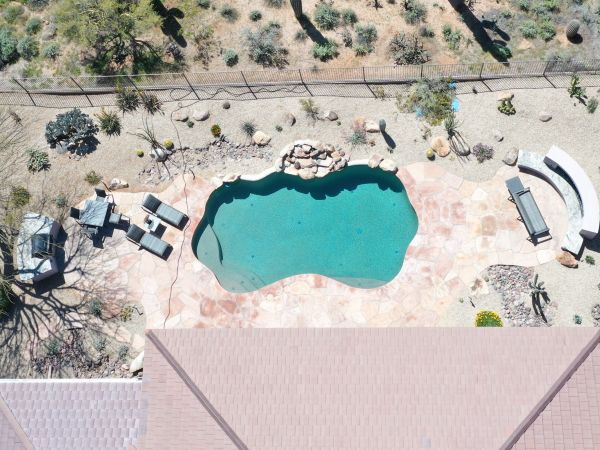
See What Our Customers are Saying
Hear from homeowners about their experiences working with MasterAZScapes.


Let’s Get Your Backyard Project Started
Ready to explore an inground swimming pool and a complete outdoor living space? MasterAZScapes can help you discuss the possibilities for your property.
Call MasterAZScapes at (602) 975-3648 to request a free estimate for your inground pool and landscaping project in Phoenix, AZ.
Frequently Asked Questions About Inground Pool Installation in Phoenix, AZ
A narrow side yard does not automatically prevent inground pool installation, but it can make construction access more complicated.
In Phoenix, AZ, older residential neighborhoods such as Willo and the Melrose District may have smaller lots, existing walls, mature landscaping, and limited access between neighboring properties.
Pool excavation requires a plan for bringing equipment onto the property, removing soil, and delivering construction materials.
When standard equipment cannot reach the backyard, the pool contractor may need to evaluate alternative excavation methods or specialized machinery.
These methods can affect scheduling and the overall construction scope.
Access limitations can also influence the maximum practical pool size, equipment location, and surrounding deck layout.
Before finalizing your design, ask the contractor to inspect the actual access route rather than relying solely on property measurements.
MasterAZScapes can help homeowners consider how the pool will fit alongside existing landscaping and outdoor living features, while the appropriately licensed pool contractor should determine whether the proposed construction access is feasible.
Inground pool installation can affect existing landscaping because excavation, equipment movement, utility work, and material deliveries require access to the construction area.
For established homes in Arcadia or Biltmore, mature trees, decorative hardscaping, and underground irrigation lines may need special consideration before work begins.
A property evaluation should identify plants and landscape features the homeowner wants to preserve.
The pool contractor must also determine whether excavation or construction access will interfere with existing irrigation infrastructure.
Some irrigation lines may need to be relocated, while certain planting beds or hardscape sections may require temporary removal.
In Phoenix, AZ, protecting mature shade trees can be particularly important because replacing an established tree is not a quick process.
Homeowners should ask which landscape areas are included in the restoration plan and whether additional repairs or redesign work will be required.
MasterAZScapes can help coordinate landscape planning around the proposed pool, making it easier to consider the finished backyard rather than focusing only on construction.
The best time to schedule an inground pool installation in Phoenix, AZ, depends on permitting, contractor availability, project complexity, and expected construction conditions.
Phoenix’s summer monsoon season can bring sudden thunderstorms, heavy rainfall, and strong winds.
Because pool installation involves excavation and exposed construction areas, severe weather can affect site access, soil conditions, and scheduled work.
However, avoiding the entire monsoon season is not always necessary or practical.
A properly planned project should account for drainage, weather-related delays, and any site protection required during construction.
For properties near South Mountain Park and Preserve, the site’s slope and runoff patterns may make drainage planning particularly important.
Homeowners should also remember that permit review and project design take place before excavation begins.
If you hope to use the pool during a particular season, discuss that goal early and request a realistic schedule with reasonable allowances for delays.
MasterAZScapes offers free estimates to help homeowners begin discussing their project goals and surrounding landscape improvements.
Completing the visible pool structure does not necessarily mean the swimming pool is immediately ready for use.
For new inground pools in Phoenix, AZ, the responsible contractor must address applicable inspections, safety barriers, equipment operation, and water preparation before the pool enters service.
The City of Phoenix requires swimming pools to meet applicable barrier and construction safety requirements.
Pool equipment may also need testing and adjustment, including circulation, filtration, and electrical components.
For certain interior pool finishes, startup procedures may involve specific filling, chemical balancing, or operating instructions provided by the installer.
Homeowners should not assume all finishes can be used or treated identically.
On properties in neighborhoods such as Biltmore or Arcadia, surrounding patios and landscape improvements may also be completed during the final stages of the project.
Before accepting the finished work, ask for equipment instructions, inspection documentation, maintenance guidance, and applicable warranty details.
A clear handover helps homeowners understand how to operate and care for their new swimming pool.
Pool decking and landscaping are usually coordinated with the pool construction sequence rather than completed entirely beforehand.
For an inground pool project in Phoenix, AZ, heavy equipment and excavation can disturb surfaces near the construction area.
Installing finished pavers, planting beds, or decorative landscape features too early may expose them to unnecessary damage.
However, the layout of those improvements should be planned before construction starts.
Pool decking elevations, drainage, underground irrigation, lighting routes, and equipment access can all influence the final design.
For homeowners near Roosevelt Row Arts District, compact backyards may require particularly careful coordination because there is limited room to separate construction and finished landscape areas.
Larger properties in Arcadia may offer more flexibility, but sequencing remains important.
The licensed pool contractor and landscaping provider should establish which work must be completed before structural construction, which can proceed alongside it, and which should wait until later.
MasterAZScapes can help homeowners consider the finished outdoor living space when planning these improvements.